Most homeowners assume the new boiler is the expensive bit. In a typical Wimbledon swap it is closer to half the bill. The other half is the work around it: the gas run, the flue, the controls, the system flush, and the labour to do it properly. That is why two quotes for the "same boiler" can land hundreds of pounds apart, and why the cheapest one is usually the one that skipped a step. This guide walks through how an installation actually comes together on a normal SW19 or SM postcode job, so you know what you are paying for before anyone turns up with a van.
Why a Wimbledon swap is rarely like-for-like
On paper, replacing an old boiler with a new one of the same type sounds simple. In practice, the heating standards, gas regulations, and flue rules in 2026 are not the ones the original boiler was fitted to. Add in the housing stock around Wimbledon and the wider Surrey and South London suburbs, where pipework has often been altered two or three times since the property was built, and a "straight swap" rarely stays straight for long.
- Heat-loss is different now. Lofts are better insulated, windows are double or triple glazed, and rooms hold heat for longer. Sizing the new boiler off the old kW rating usually means oversizing, which costs you in efficiency every winter.
- Hot water demand has changed. Households that lived with one bathroom now have an en-suite, a utility tap, and a shower over the bath. A boiler chosen for a 1990s flow rate will feel underpowered the first time two showers run together.
- The pipework underneath matters. Older 15mm gas pipe is often borderline for modern combis. Many installs need a section in 22mm or 28mm before commissioning will pass. That is a real cost that has to be in the quote, not a surprise on the day.
- Flue rules have moved on. Boundary distances, terminal positions over windows, and flue routing through habitable rooms are tighter than they used to be. A flue that was fine in 2008 may not be compliant on a new install.
None of that is a reason to panic. It is a reason to have a proper survey first, so the quote reflects the actual house rather than a guess from a photo.
The four boiler types you will see locally
Wimbledon properties run the full range, from Edwardian conversions in the village to new-build flats near the station and post-war terraces in Mitcham and Morden. Different homes suit different boilers.
- Combi boilers. The most common choice for flats and smaller terraces. Heating and hot water from one unit, no cylinder, no loft tank. Good fit for one or two bathrooms and a household that does not run several taps at once.
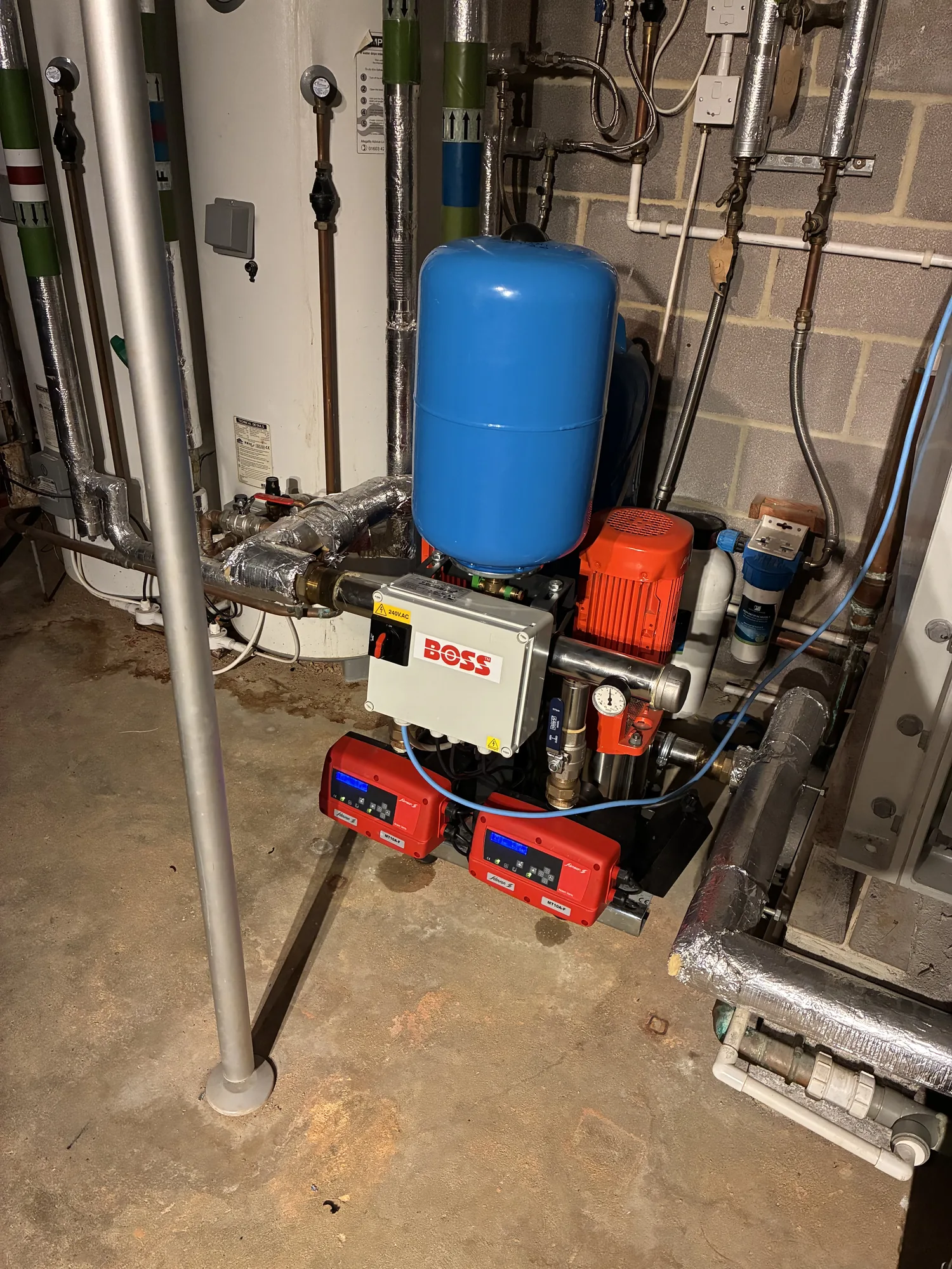
- System boilers. Heat the radiators directly and feed an unvented hot water cylinder. The right answer for larger family homes in Cheam and Worcester Park where two showers might run together. Cylinder needs an airing cupboard or a plant space, but no header tank in the loft.
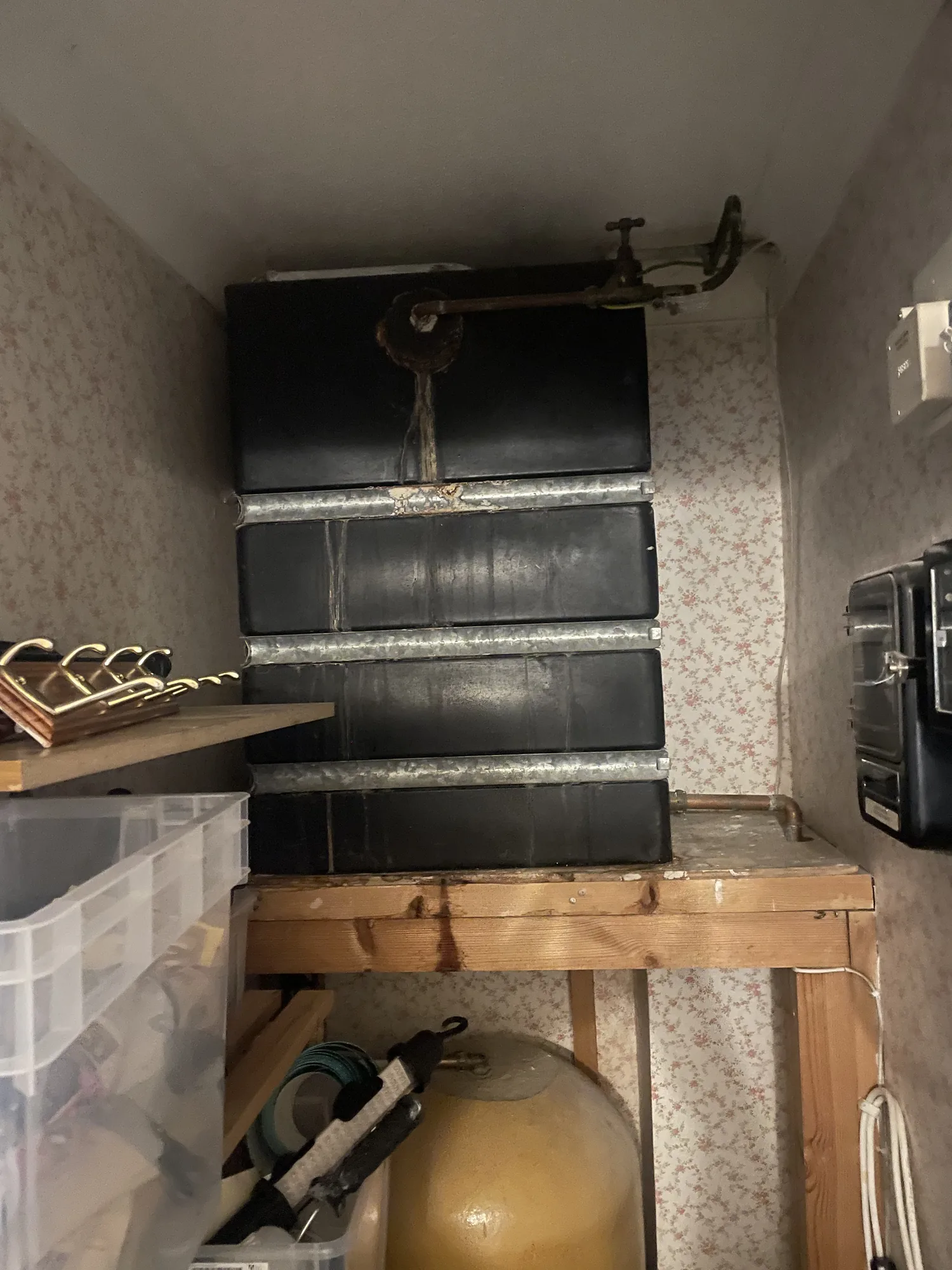
- Regular (conventional) boilers. Older system, with a hot water cylinder and a cold water tank in the loft. Still the right call for some Victorian houses where the rising main is poor, or for properties on a low mains pressure where unvented systems would struggle.
- Electric boilers. Useful in flats with no gas supply, or for very small studios. Running costs are higher per unit of heat, so they are a fit-for-purpose option rather than a default choice.
On the brand side, the boilers we install most often are Worcester Bosch, Vaillant, Baxi, Ideal, and Glow-worm. Each has a model that fits the typical Wimbledon flat, and each has a model that fits a four-bedroom Cheam house. The right brand depends more on the warranty length, the cylinder match, and what your existing controls are doing than on any badge.
Thinking about a new boiler?
Comfort Heating Wimbledon will quote in writing, with the boiler model, the labour, and any extras itemised. No pressure, no upsell.
Get a Free QuoteWhat actually builds up the price
A boiler installation in Wimbledon typically lands between £2,500 and £4,500 plus VAT. A combi-for-combi swap in a flat with good existing pipework sits at the lower end, around £2,500 to £3,500. A new system boiler with a fresh cylinder, controls, and pipework upgrades pushes towards the top of that range. Here is what each line is paying for.
- The boiler itself. Usually 35 to 50 percent of the total. The model affects warranty length and parts availability ten years from now, so it is worth choosing on long-term spec, not headline price.
- Install labour. One to two days of a Gas Safe engineer's time, sometimes with a second pair of hands for cylinder lifts or awkward access. Quoted as a fixed line, not by the hour.
- System flush. A powerflush or chemical flush before commissioning is non-negotiable on most existing systems. Skipping it is the fastest way to clog a new heat exchanger and void the warranty inside the first year.
- Gas and flue work. Upsizing the gas pipe where needed, reworking the flue to current spacing rules, and fitting any required terminal guards. On a third-floor flat this can include scaffolding or a tower for safe access at the flue terminal.
- Controls and filters. A magnetic system filter is standard on every new install we do. A modern programmable thermostat or smart control protects efficiency and is often a warranty requirement on the higher-tier boilers.
- Certification and notification. Building Regulations notification through Gas Safe, the Benchmark commissioning record, and the Gas Safety Certificate. These are paid for once, but they stay with the property when you sell.
A good quote breaks all of that out. If a quote is one round number with no detail, you cannot tell what is included, and neither can the next engineer who has to work on the system later.
What installation day looks like
Most domestic installs in our area run over one or two days. Here is the shape of a normal day from the homeowner's side of things.
- Arrival, around 8am. Floor protection down, dust sheets in the working area, cars moved if access is tight. We talk through the plan, isolation points, and where the new flue will exit.
- Isolation and drain-down. Gas and water are isolated, the existing system is drained, and the old boiler is disconnected. On a flat conversion this is also when we check the gas meter location and any shared cupboards.
- Removal and pipework. The old unit comes out, pipework is reworked to match the new boiler's connection layout, and any gas or flue upgrades happen before the new unit goes on the wall.
- Fit and connect. The new boiler is mounted, plumbed in, and the flue is built up to its terminal. Controls are wired in, the magnetic filter is fitted, and the system is filled and pressure tested.
- Flush and commissioning. The system is flushed, dosed with inhibitor, and commissioned to the manufacturer's procedure. We log the gas rate, the flue gas analysis, and the working pressures on the Benchmark record.
- Walkthrough and paperwork. Before we leave, we go through how the controls work, how to top up the pressure, and what your service interval looks like. You get the Gas Safety Certificate, the Benchmark record, and the warranty registration confirmation in writing.
Heating is back on by the end of the install. If we have to come back for a second day, that is usually for cylinder work, secondary controls, or scaffolding strikes the day after, not for the boiler itself.
Warranty, and the small print that voids it
New boiler warranties run from five years on entry-level models up to twelve years on Worcester Bosch and Vaillant flagships. The headline figure is real, but every brand attaches conditions, and most claim refusals come down to the same handful of issues.
- Annual servicing is mandatory. Almost every brand requires a Gas Safe service every twelve months, with the service stamped or recorded on a portal. Miss a year and the remaining warranty is usually void from that point onward.
- The system needs the right protection. Manufacturers expect a system filter, clean water, and the correct dose of inhibitor. If a heat exchanger fails and the water sample shows no inhibitor, the claim is refused regardless of when the boiler was fitted.
- Installer credentials matter. Some warranties require installation by an accredited installer for the maximum length. A standard Gas Safe install will still get a base warranty, but the headline ten or twelve year figure may need accredited registration.
- Commissioning has to be logged. The Benchmark record and the manufacturer's online registration must be filed within thirty days. If they are not, the warranty defaults to the minimum statutory cover.
Keep the paperwork together. Anyone selling the house in five years will be asked for it by the buyer's solicitor, and it is much easier to find on the day than a year later.
Local realities across the patch
Different parts of South London throw up different installation jobs. A few patterns worth knowing if you are planning a swap in our area.
- Wimbledon flat conversions. Older houses split into two or three flats often share a chimney breast and have boilers tucked into hall cupboards. Flue routing past upstairs windows and gas meter access in shared hallways are the usual sticking points.
- Surrey and South London terraces. Victorian and Edwardian terraces typically have the boiler in the kitchen, with a flue out the back. Pipework is often a mix of three different generations, and a system flush is almost always needed.
- Cheam and Worcester Park family homes. Larger semis and detached houses with two bathrooms often outgrow a combi. A system boiler with a 180 to 250 litre unvented cylinder is usually the right call for the way the household actually uses hot water.
- Raynes Park and Morden new builds. Newer flats often have the boiler in a utility cupboard with a horizontal flue. Generally easier installs, but the existing controls are sometimes proprietary and need a like-for-like replacement to keep the smart features working.
- Carshalton period properties. Solid wall construction and listed status can rule out external pipework or boundary flue terminals. We sometimes have to design the install around the building, not the other way round.
Frequently asked questions
A combi-for-combi swap in a flat with sound existing pipework is usually a one-day job, with heating and hot water back on the same evening. A first-time conversion, a system boiler with a new cylinder, or any job that needs gas pipe upsizing or scaffolding for the flue typically runs into a second day.
Yes, while the old boiler is out and the new one is being commissioned. We try to plan installs so heating is back the same day where possible. If a job is due to run into a second day, we agree it with you in advance and lend out a portable heater for the night if needed.
Yes. We register the warranty in your name with Worcester Bosch, Vaillant, Baxi, Ideal, or Glow-worm on the day of commissioning, file the Benchmark record, and notify Building Regulations through Gas Safe. You receive copies of the certificates by email so everything is together if you ever need to claim or sell the house.
All gas work in the UK has to be carried out by a Gas Safe registered engineer. Comfort Heating Wimbledon is Gas Safe registered, and David carries his ID card on every job. You are welcome to check the card before any work starts, or look up the registration on the Gas Safe Register before booking.